Showing posts with label nebulae. Show all posts

Monday, November 13, 2023

Planets and Nebulae and Stars, Oh My!

An embarrassment of riches of science articles:

Want to Find Life? Compare a Planet to its Neighbors

With thousands of known exoplanets and tens of thousands likely to be discovered in the coming decades, it could be only a matter of time before we discover a planet with life. The trick is proving it. So far the focus has been on observing the atmospheric composition of exoplanets, looking for molecular biosignatures that would indicate the presence of life. But this can be difficult since many of the molecules produced by life on Earth could also be produced by geologic processes. A new study argues that a better approach would be to compare the atmospheric composition of a potentially habitable world with those of other planets in the star system.

Since planets form within the debris disk of a young star, they will generally have similar compositions. Because of the migration of certain molecules such as water ice, the outer planets can have a slightly different composition than the inner planets, but overall their composition is similar. For this study, the team looked at the abundance of atmospheric carbon among worlds.

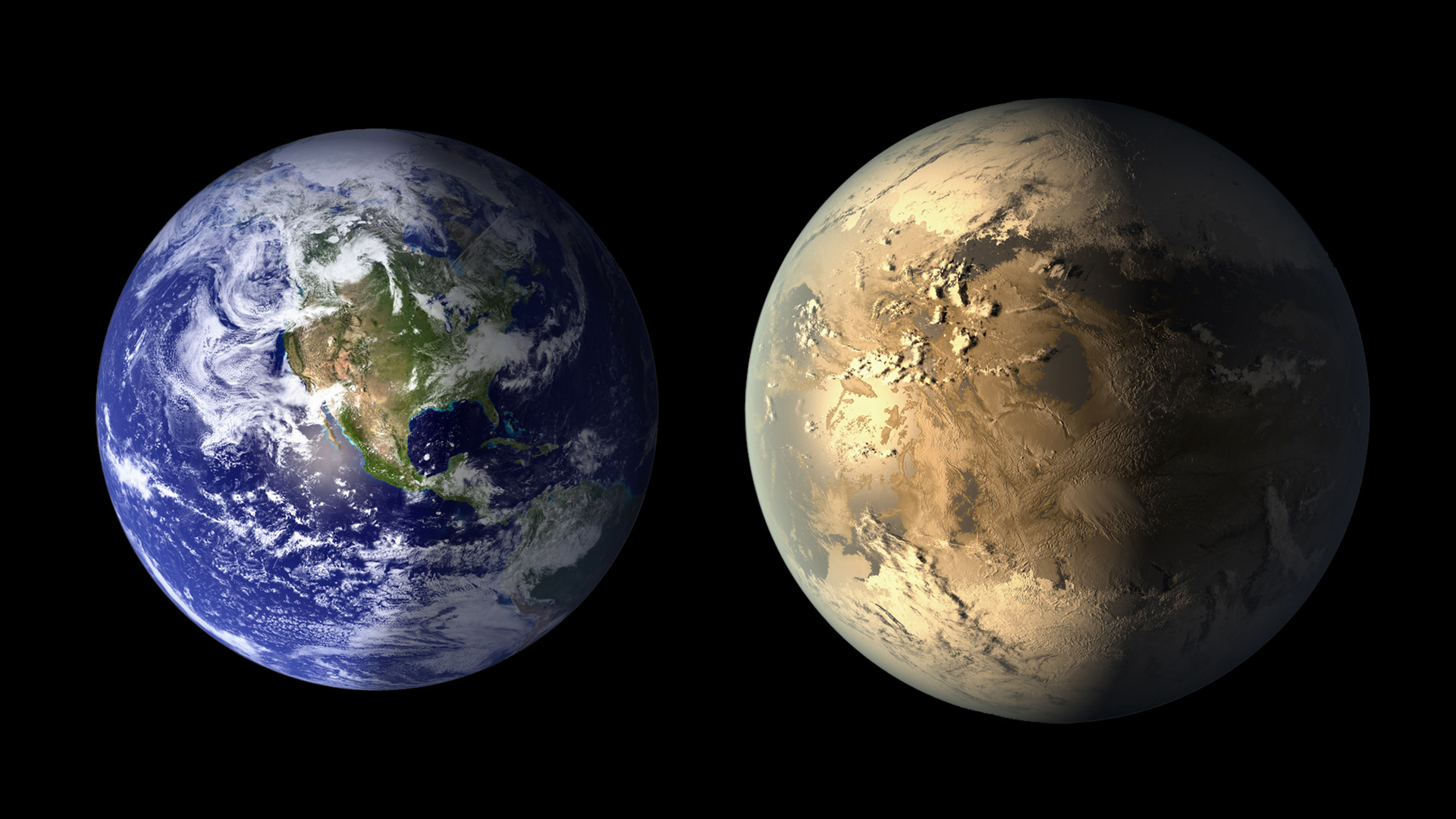
Carbon is not just a primary element for life on Earth, it also absorbs readily in water and can be bound geologically in rocks. So the idea is that if an exoplanet is in the potentially habitable zone of a star and has significantly less atmospheric carbon than similar worlds in its system, then that is a strong indicator of the presence of water and organic life. Take our solar system as an example. Earth, Venus, and Mars are all roughly in the habitable zone of the Sun, but both Venus and Mars have atmospheres comprised mostly of carbon dioxide. In contrast, Earth has an atmosphere of mostly nitrogen and oxygen, and only a fraction of a percent of carbon dioxide. Earth’s atmospheric carbon is so dramatically different from that of Venus and Mars that it stands out as a likely inhabited world.


The Crab Reveals Its Secrets To JWST

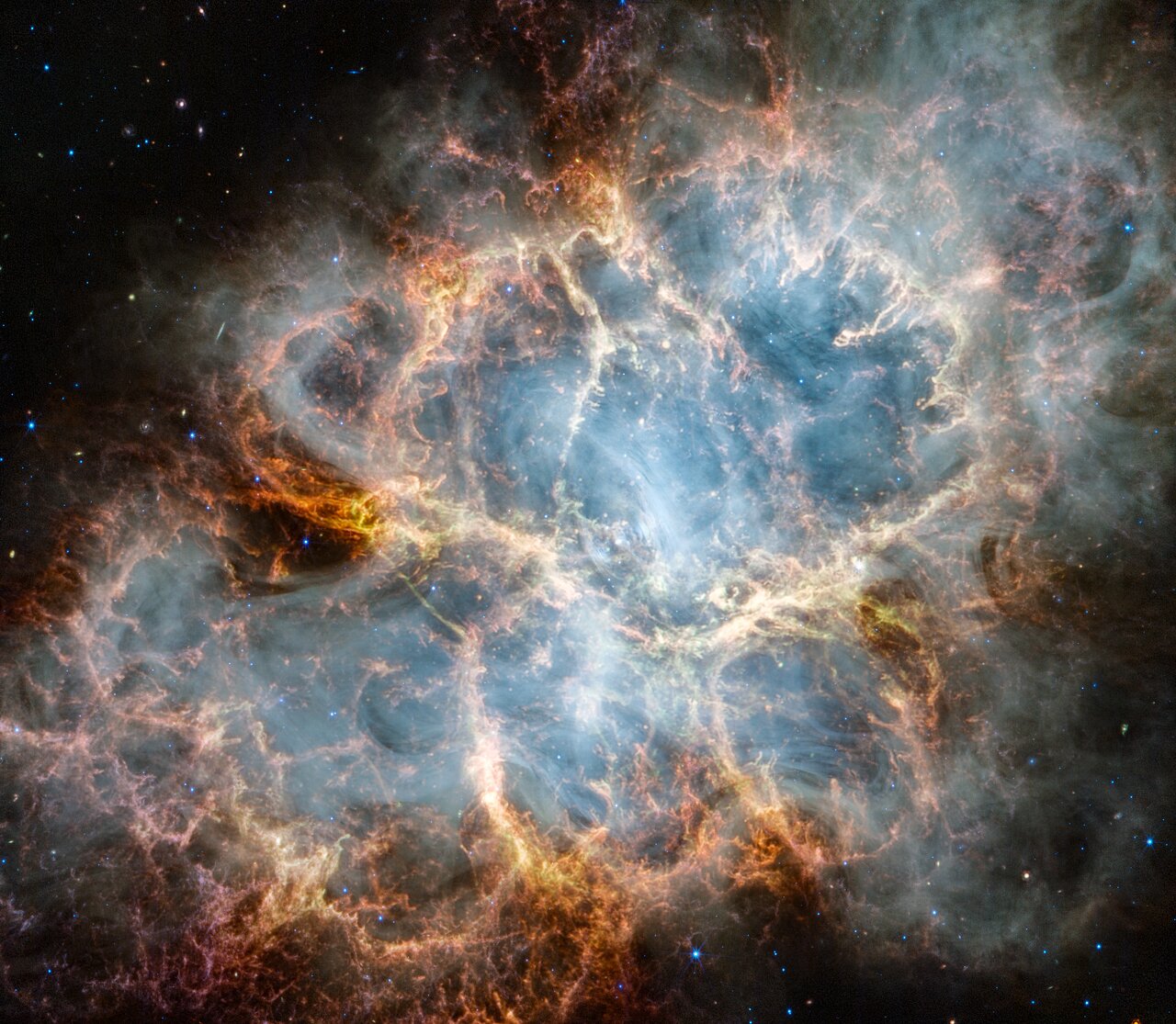
The Crab Nebula – otherwise known as the first object on Charles Messier’s list of non-cometary objects or M1 for short

It has been known that there is a pulsar at the core of the nebula, and it’s this pulsar that is the true remains of the progenitor star.  When it went ‘supernova,’ the core collapsed to form the ultra-dense rotating object that, if you happen to be in the right place in space (hey, that rhymes), then you will see a pulse of radiation as it rotates. The infrared images from JWST reveal synchrotron emissions, which are a direct result of the rapidly rotating pulsar.  As the pulsar rotates, the magnetic field accelerates particles in the nebula to astonishingly high speeds such that they emit synchrotron radiation. As a fabulously lucky quirk of nature, the radiation is particularly obvious in infrared, making it ideal for JWST. 


Uranus Has Infrared Auroras, Too

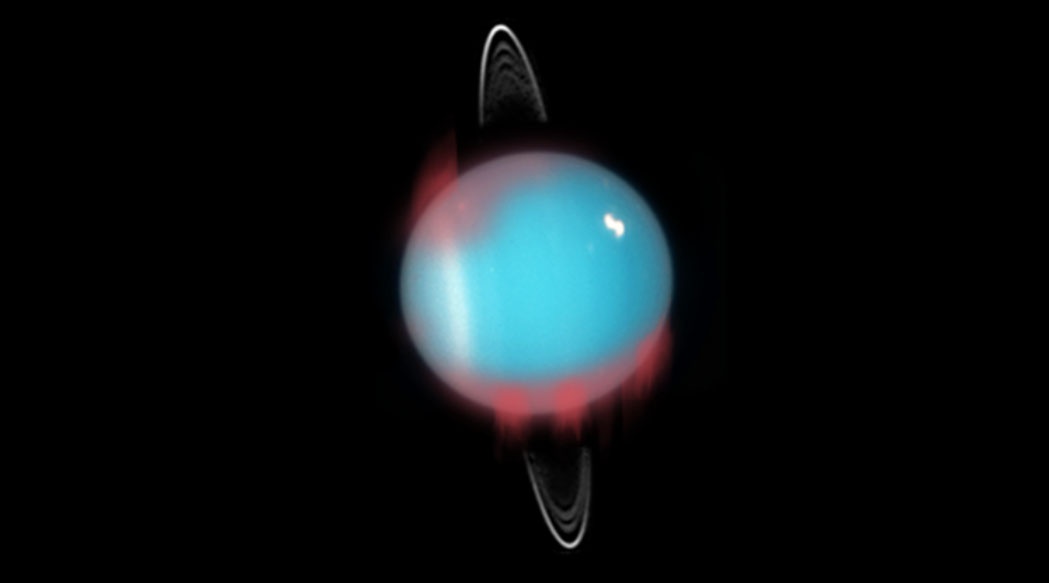
Auroras happen when charged particles in the solar wind and near-planet environment get trapped by a planet’s magnetic field. They funnel down to the atmosphere and collide with gas molecules. This happens on Earth and we see auroras over the north and south poles of our planet. They also happen at other planets. Astronomers detect them on the other giant planets, and a smaller version of them occurs on Mars. Venus probably doesn’t experience similar types of auroral displays, since it has no intrinsic magnetic field. However, it may experience something like them during particularly gusty solar wind events. At the outer planets, the gas mix is different in the atmospheres. That means their aurorae show up in ultraviolet and infrared wavelengths.

Uranus has an interesting magnetic field. It does not originate from the exact center of the planet. It’s also offset by 59 degrees from the rotation axis. That’s tipped 90 degrees from the plane of the solar system. This arrangement means that the Uranian magnetosphere is asymmetric and its field strengths vary depending on location. It connects with the solar wind once every Uranian day (which is 17 hours long). The planet does show some auroral activity, particularly around the poles and Hubble Space Telescope detected some in 2011


Three Planets Around this Sunlike Star are Doomed. Doomed!

According to new research we can start writing the eulogy for four exoplanets around a Sun-like star about 57 light years away. But there’s no hurry; we have about one billion years before the star becomes a red giant and starts to destroy them.

The star is Rho Coronae Borealis, a yellow dwarf star like our Sun. It’s in the constellation Corona Borealis, and has almost the same mass, radius, and luminosity as the Sun. The difference is in their ages. The Sun is about five billion years old, but Rho CrB is twice that, which means its red giant phase is imminent, at least in astrophysical terms.

Post main sequence stellar evolution can result in dramatic, and occasionally traumatic, alterations to the planetary system architecture, such as tidal disruption of planets and engulfment by the host star,” Kane writes. Rho Coronae Borealis is both old and bright, making it “… a particularly interesting case of advanced main sequence evolution,” according to Kane. Not only because its similar to the Sun and easily observed, but also because it hosts four exoplanets.


White Dwarfs Could Support Life. So Where are All Their Planets?

Astronomers have found plenty of white dwarf stars surrounded by debris disks. Those disks are the remains of planets destroyed by the star as it evolved. But they’ve found one intact Jupiter-mass planet orbiting a white dwarf.

Are there more white dwarf planets? Can terrestrial, Earth-like planets exist around white dwarfs?

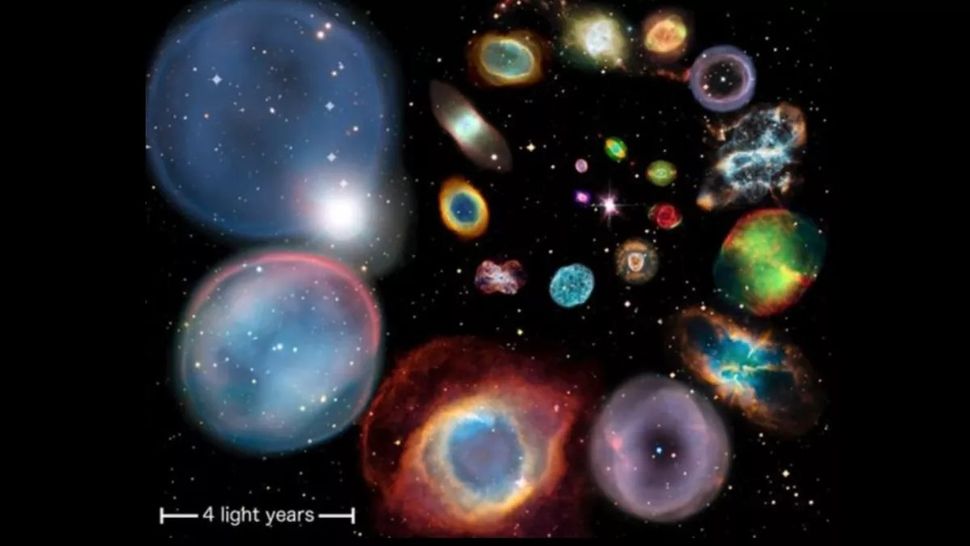
A white dwarf (WD) is the stellar remnant of a once much-larger main sequence star like our Sun. When a star in the same mass range as our Sun leaves the main sequence, it swells up and becomes a red giant. As the red giant ages and runs out of nuclear fuel, it sheds its outer layers as a planetary nebula, a shimmering veil of expanding ionized gas that everybody’s seen in Hubble images. After about 10,000 years, the planetary nebula dissipates, and all that’s left is a white dwarf, alone in the center of all that disappearing glory.

White dwarfs are extremely dense and massive, but only about as large as Earth. They’ve left their life of fusion behind, and emit only residual heat. But still, heat is heat, and white dwarfs can have habitable zones, though they’re very close.

Astronomers are pretty certain that most stars have planets. But those planets are in peril when they orbit a star that leaves the main sequence behind and becomes a red giant. That can wreak havoc on planets, consuming some of them and tearing others apart by tidal disruption. Some white dwarfs are surrounded by debris disks, and they can only be the remains of the star’s planets, ripped to pieces by the star during its red dwarf stage.

But in 2020 researchers announced the discovery of an intact planet among the debris disk in the habitable zone around the white dwarf WD1054-226. If there’s one, there are almost certainly others out there somewhere. Why haven’t we found them? And does the fact that the first one we’ve found is a Jupiter-mass planet mean the WD exoplanet population is dominated by them?


Old Data from Kepler Turns Up A System with Seven Planets

NASA’s Kepler mission ended in 2018 after more than nine years of fruitful planet-hunting. The space telescope discovered thousands of planets, many of which bear its name. But it also generated an enormous amount of data that exoplanet scientists are still analyzing.

Kepler 385 is similar to the Sun but a little larger and hotter. It’s 10% larger and about 5% hotter. It’s one of a very small number of stars with more than six planets or planet candidates orbiting it.

The two innermost planets are both slightly larger than Earth. According to the new catalogue, they’re both probably rocky. They may even have atmospheres, though if they do, they’re very thin. The remaining five planets have radii about twice as large as Earth’s and likely have thick atmospheres.



Monday, August 14, 2023

Trojan Planets, Diamond Stars, and Other Astronomical Wonders

1st known 'Trojan' planets discovered locked in the exact same orbit around a star


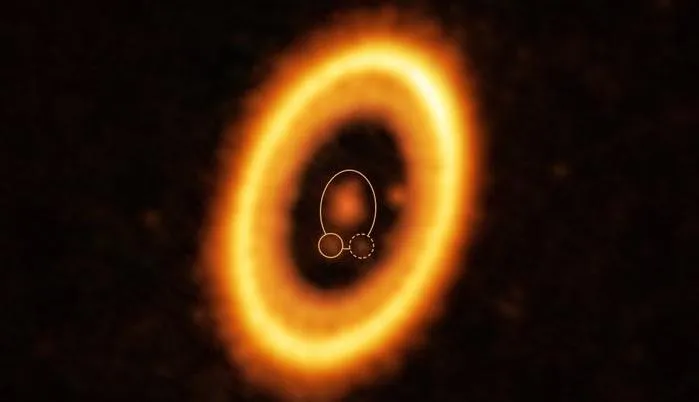
Astronomers have discovered the first evidence of ultra-rare 'Trojan' planets: two sibling planets bound on the same orbit around the same star.

The potential co-orbiting planets, dancing around the young star PDS 70 roughly 370 light-years away, consist of a Jupiter-size planet and a cloud of debris — possibly the shattered remains of a dead planet, or the gathering building blocks of one yet to be born.
 
Trojan planets get their unusual name from the two asteroid clusters seen around Jupiter, which, upon their discovery, were split into Greeks and Trojans (the opposing sides of the mythical Trojan War in Homer's Iliad) based on their proximity to the gas giant's gravitationally stable Lagrange points.

Lagrange points are places in a solar system where the gravitational pulls of a star and an orbiting planet balance out the motion of an object's orbit, trapping the object so that it moves in lock-step with the planet.


White dwarfs are truly strange objects. After a lifetime of billions of years of fusion, they transform themselves into something else completely different. They transition from blazing balls of plasma to degenerate lumps of carbon that eventually crystallize into diamonds that last for unimaginably long time periods.

It takes a quadrillion years for a white dwarf to crystallize, and since the Universe is not even 14 billion years old, astronomers will never spot a fully crystallized one. But this research removes some of the mystery by finding one that’s just starting to become a cosmic diamond. Curious astronomers will study more of these bizarre stellar remnants, and one day, we may know exactly how and when something so strange can happen.

A skyscraper-size asteroid flew closer to Earth than the moon — and scientists didn't notice until 2 days later


Now dubbed 2023 NT1, the roughly 200-foot-wide (60 meters) space rock sailed past our planet on July 13, traveling at an estimated 53,000 mph (86,000 km/h), according to NASA. However, because the rock flew toward Earth from the direction of the sun, our star's glare blinded telescopes to the asteroid's approach until long after it had passed.

Astronomers didn't catch wind of the building-size rock until July 15, when a telescope in South Africa — part of the Asteroid Terrestrial-impact Last Alert System (ATLAS), an array of telescopes designed to spot asteroids several days to weeks before any potential impact — caught the rock making its exit from our neighborhood. More than a dozen other telescopes also spotted the rock shortly afterward, according to the International Astronomical Union's Minor Planet Center.

Hundreds of 'ghost stars' haunt the Milky Way's center. Scientists may finally know why


"Planetary nebulas offer us a window into the heart of our galaxy and this insight deepens our understanding of the dynamics and evolution of the Milky Way's bulge region," University of Manchester astrophysicist Albert Zijlstra said in a statement.

Studying 136 planetary nebulas in the thickest part of the Milky Way, the galactic bulge, with the Very Large Telescope (VLT), the team discovered that each is unrelated and comes from different stars, which died at different times and spent their lives in different locations.

The researchers also found that the shapes of these planetary nebulas line up in the sky in the same way. Not only this, but they are also aligned almost parallel to the plane of the Milky Way.

Saturday, June 25, 2016

[links] Zombie Genes and Other Wonders

In the midst of much craziness in the political world, here are a few treasures to remind us this is also a fascinating, awesomely beautiful place.

Hundreds of Genes Spring Back to Life in the Days After Death

The majority of these zombie genes were not random in terms of function. Each of them play an important role when an animal experiences some kind of trauma or illness. For example, some genes that were ramped up are responsible for stimulating inflammation and the immune system as well as for countering stress. Some genetic activity, like a gene that’s responsible for embryonic development, baffled the scientists. Noble suspects that this gene becomes active because the cellular environment in dead bodies must somehow resemble those found in embryos.

Importantly, several genes that promote cancer also became active. This may explain why many organ donor recipients develop cancer. This tidbit of information could help scientists develop better methods of organ preservation prior to transplantation.


Some of History's Most Beautiful Combs Were Made for Lice Removal


“Most ancient combs are double-sided and have more teeth on one side than the other,” wrote Mumcuoglu and Zias. “The user would straighten his or her hair with the side that had the fewer teeth and then whisk away lice and louse eggs with the finer and more numerous teeth on the other side of the comb.”

Is 'when we eat' as important as 'what we eat'?
Eating inconsistently may affect our internal body clock or 'circadian rhythms' which typically follow a 24-hour cycle. Many nutritionally related metabolic processes in the body follow a circadian pattern such as appetite, digestion and the metabolism of fat, cholesterol and glucose. Food intake can influence our internal clocks, particularly in organs such as the liver and intestine, whilst our central clock is also regulated by the dark/light cycle which in turn can affect food intake. Chrono-nutrition involves studying the impact of nutrition on metabolic processes and how these may be influenced by and also alter circadian patterns through nutrient intake (ir)regularity, frequency and clock time.

99m-year-old lizard trapped in amber could give clue to 'lost ecosystem'


Scientists believe the chameleon-like creature was an infant when it was trapped in a gush of sticky resin while darting through a tropical forest in what is now Myanmar. The creature’s entire body, including its eyes and colorful scales, was unusually well-preserved, Stanley said. The other reptiles trapped in the amber, including a gecko and an arctic lizard, were also largely intact.


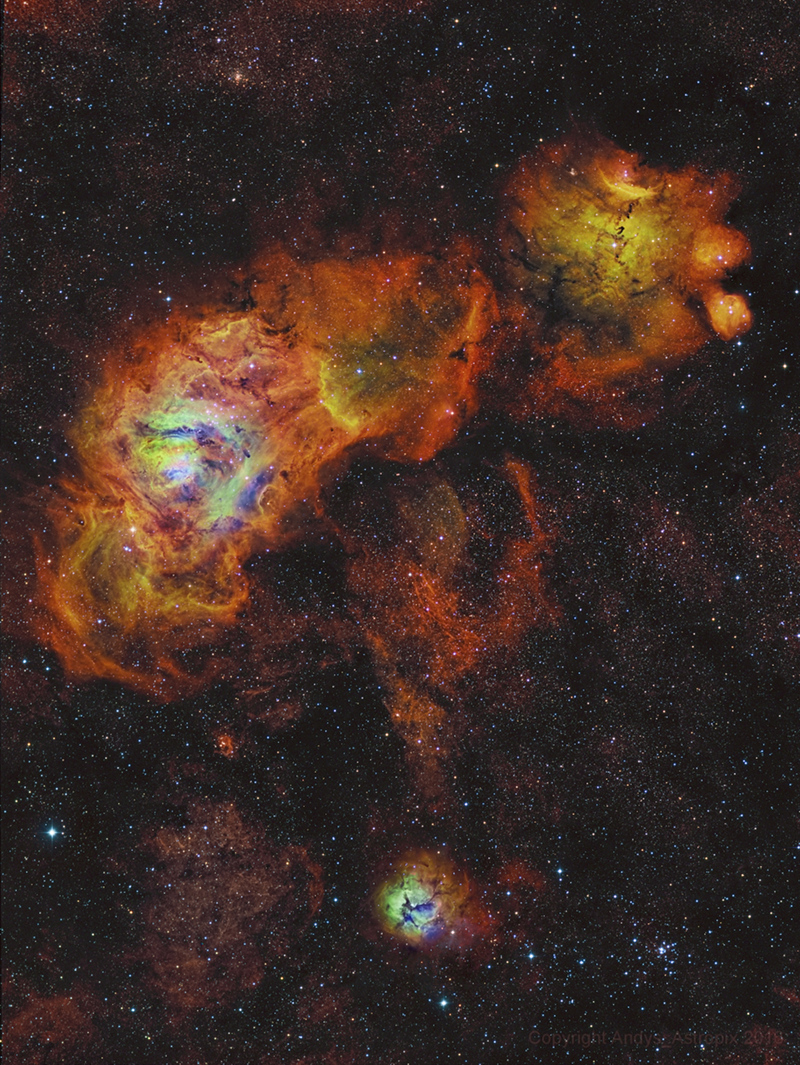
And finally, splendor from the heavens: three bright nebulae in the constellation Sagittarius.


Friday, February 19, 2016

Starry Skies and Other Wonders

Crazy times, these. Elections. Zika. You name it. And yet this is an awesome and beautiful universe we live in. Here are some things that lifted my spirits:

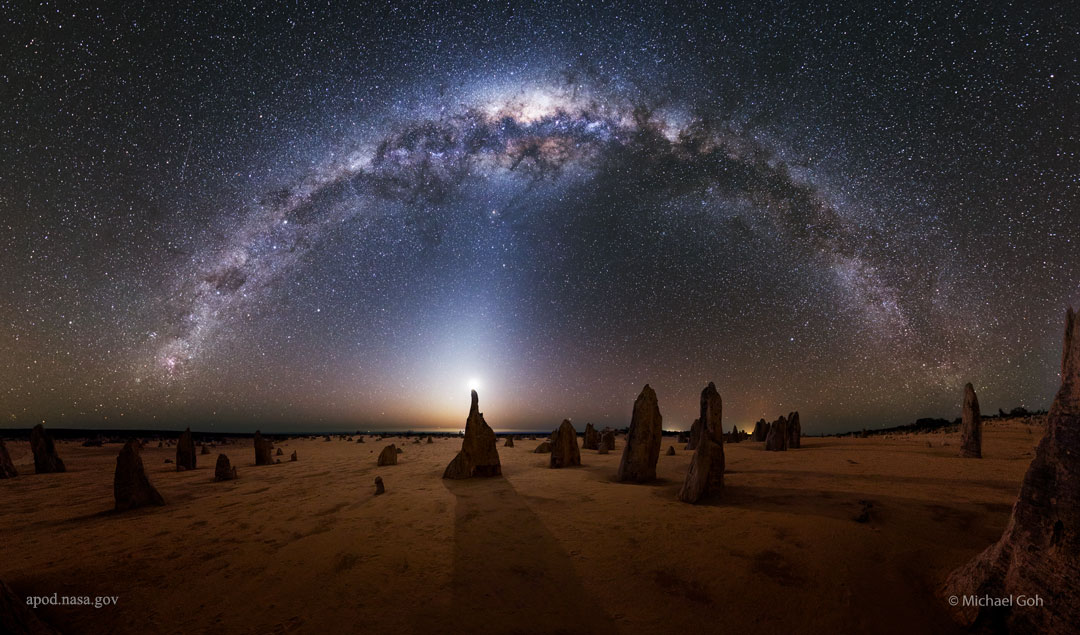
Milky Way over the Pinnacles in Australia , Image Credit: Michael Goh. Made of ancient sea shells (limestone), how these human-sized picturesque spires formed remains unknown. In the background, just past the end of the central Pinnacle, is a bright crescent Moon. The eerie glow around the Moon is mostly zodiacal light, sunlight reflected by dust grains orbiting between the planets in the Solar System.


Meditation and aerobic exercise done together helps reduce depression, according to a new study. The study, published in Translational Psychiatry this month, found that the mind and body combination – done twice a week for only two months – reduced the symptoms for a group of students by 40 percent. ... "We are excited by the findings because we saw such a meaningful improvement in both clinically depressed and non-depressed students," says Brandon Alderman, lead author of the research study. "It is the first time that both of these two behavioral therapies have been looked at together for dealing with depression."


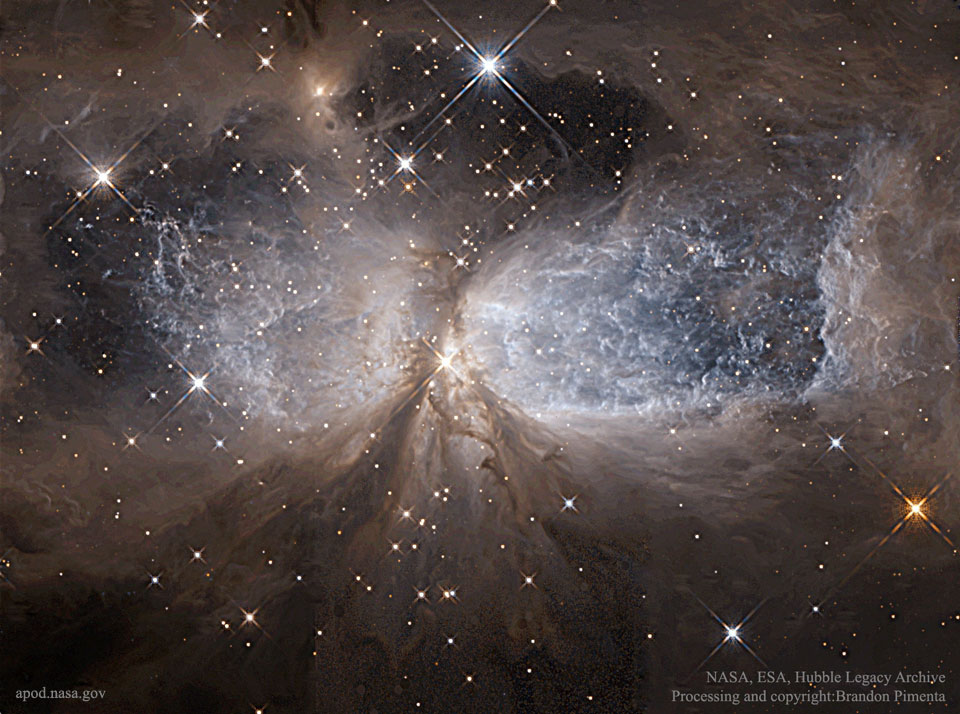
Star Forming Region S106, Image Credit: NASA, ESA, Hubble Legacy Archive; A large disk of dust and gas orbiting Infrared Source 4 (IRS 4), visible in brown near the image center, gives the nebula an hourglass or butterfly shape. S106 gas near IRS 4 acts as an emission nebula as it emits light after being ionized, while dust far from IRS 4 reflects light from the central star and so acts as a reflection nebula. Detailed inspection of a recent infrared image of S106 reveal hundreds of low-mass brown dwarf stars lurking in the nebula's gas.


Prehistoric Asterid Flowers Found Perfectly Preserved in Amber. “The specimens are beautiful, perfectly preserved fossil flowers, which at one point in time were borne by plants that lived in a steamy tropical forest with both large and small trees, climbing vines, palms, grasses and other vegetation,” said team member Prof. George Poinar, Jr., from Oregon State University. ... “They show that the asterids, which later gave humans all types of foods and other products, were already evolving many millions of years ago.”


Pleistocene Mammal Rusingoryx atopocranion Had Dinosaur-Like ‘Nose’ This wildebeest like bovid with characteristics of a hadrosaur: “It appears that both Rusingoryx atopocranion and hadrosaurs evolved their nasal domes in a similar way and that it also developed in the same way as the animals aged from juveniles to adults,” they said.

Saturday, September 5, 2015

River Dolphins and Other Amazing Things

Smithsonian scientists have discovered the fossils of a new species of river dolphin that lived more than 5.8 million years ago."While whales and dolphins long ago evolved from terrestrial ancestors to fully marine mammals, river dolphins represent a reverse movement by returning inland to freshwater ecosystems," said study co-author Aaron O'Dea in a statement. "As such, fossil specimens may tell stories not just of the evolution [of] these aquatic animals, but also of the changing geographies and ecosystems of the past."


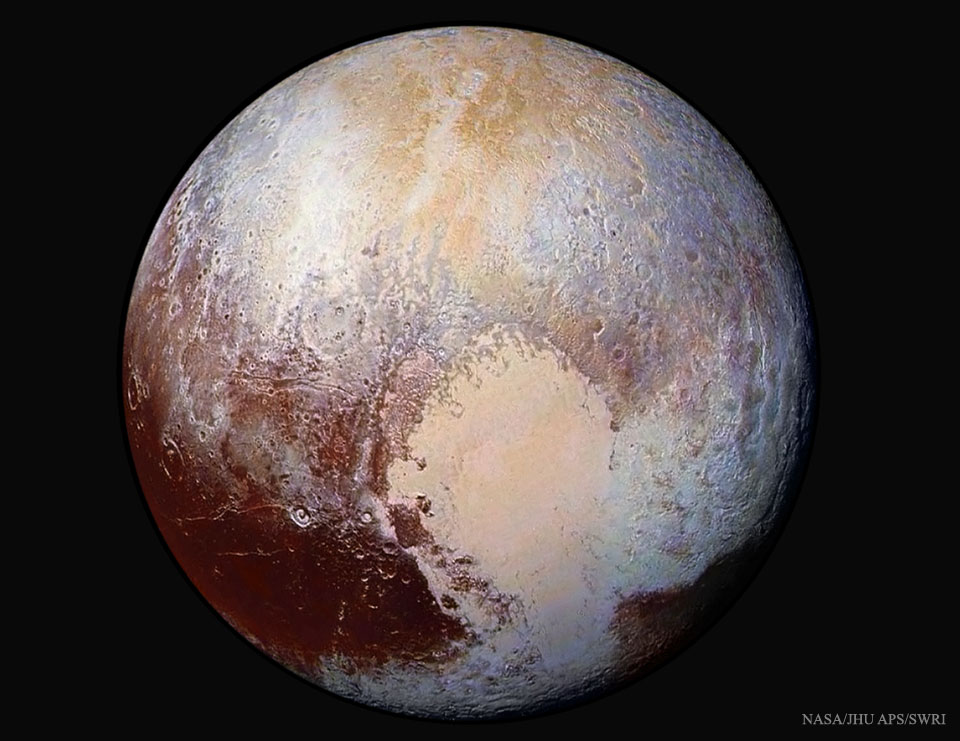
The light-colored heart-shaped Tombaugh Regio on the lower right is clearly shown here to be divisible into two regions that are geologically different, with the leftmost lobe Sputnik Planum also appearing unusually smooth.


Nebulae have a lot of funny names. Here's the Prawn Nebula:
A large portion of the ionization in the nebula is done by two O-type stars, which are hot blue-white stars, also known as blue giants. This type of star is very rare as the very large mass of blue giants means that they do not live for long. After only roughly a million years these stars will collapse in on themselves and end their lives as supernovae, as will many of the other massive stars within the nebula.

Monday, July 13, 2015

Various Thoughtful Posts for July

Meet the Wendiceratops, named for discoverer Wendy Sloboda:
Unlike any other dinosaur, this creature’s skull is ringed with bone protrusions that curl inward toward the animal’s nose like gnarly crochet hooks. “They remind me a little bit of a weird sea anemone or something,” said Ryan, the curator of vertebrate paleontology at the Cleveland Museum of Natural History. 
The dinosaur also has a medium-sized horn over its nose. The researchers suspect that it had horns over its eyes as well because its relatives, like Triceratops, boast prominent eye horns.  The researchers hypothesize that the dinosaur’s lavish array of horns may have helped it attract mates, “just like modern birds, which have all these ornate plumages and long feathers and short feathers,” Ryan said. Another possibility is that the horns allowed males to demonstrate their strength and fitness to the opposite sex, just as big-horned sheep butt heads to determine who will get to breed with the female.


BookEnds on "The Death of the Midlist." Ever since I can remember, writers have been lamenting 'the death of the midlist.' Midlist is just that, neither best sellers nor abysmal failures. If that sounds blah, remember that this is where some of the finest writing falls. Writing that isn't mass appeal mind candy but is solid enough to generate a modest but loyal following. 

Here's the truth as I see it where the midlist is concerned. Authors who languish in the midlist are not going to be given contract after contract just to remain midlist authors. That's not what the midlist is about (at least not these days). The midlist is a place for publishers to grow authors from. Its where great books go to grow. A publisher will always have a midlist of some sort because a publisher will always be buying new books from new authors and somewhere along the way someone is going to have numbers that aren't top selling numbers, but aren't at the bottom either. When those authors come along the publisher is going to look at those numbers to see which direction they are going and what can be done to boost that author, those books and those numbers into the top selling range.
When rumors abound that a publisher is cutting the midlist it isn't mean that a publisher is taking out one kind of book over another, it means the publisher is making room for more. Have I ever told you that I'm an eternal optimist?


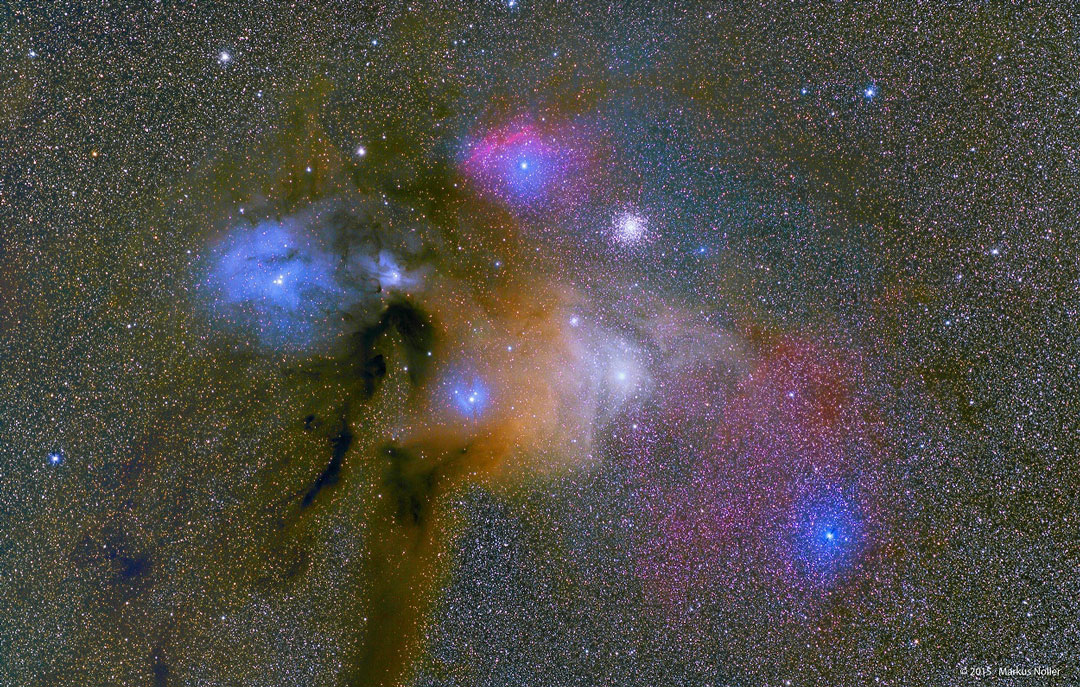
From Astronomy Picture of the Day, gorgeous clouds in Rho Ophiuchi
Fine dust illuminated from the front by starlight produces blue reflection nebulae. Gaseous clouds whose atoms are excited by ultraviolet starlight produce reddish emission nebulae. Backlit dust clouds block starlight and so appear dark. Antares, a red supergiant and one of the brighter stars in the night sky, lights up the yellow-red clouds on the lower center of the featured image.


Thursday, May 21, 2015

[links] Fishing With Horses and other cool links

Fishing With Horses:  There are only about 11 horse fishermen in the area of Oostduienkerke but the two men I have photographed are the only ones who actually drag for the shrimp for part of their income the rest just do it for tourism of the town. I am not sure how much longer this old tradition will stay alive in this actual form but I am glad to have a chance to photograph these amazing draft horses and the men that work with them. The horses are so relaxed and I realized after going into the sea my self how much the waves have so much force and the sand shifts under you feet as you sink slowly into the wet sand. I think for these horses it is such a unnatural thing for them to do, but you can see that they have total trust that their riders will guide them and that is what true horsemanship really is, working with a trusted partner to get the required job done easily.Before mules were used for the job but because of the weight of the larger nets the Brabant draft horse is now used because of their tremendous strength and easy going attitudes. They could not have picked a better breed.


The Evolution of Snakes: “We infer that the most recent common ancestor of all snakes was a nocturnal, stealth-hunting predator targeting relatively large prey, and most likely would have lived in forested ecosystems in the Southern Hemisphere,” said Dr Allison Hsiang of Yale University, lead author on the study.


Science Fiction Fodder: Ether-Based "DNA":In the search for life beyond Earth, scientists have justifiably focused on water because all biology as we know it requires this fluid. A wild card, however, is whether alternative liquids can also suffice as life-enablers. For example, Saturn's frigid moon Titan is awash in inky seas of the hydrocarbon methane. Here on warm, watery Earth, the molecules DNA and RNA serve as the blueprints of life, containing creatures' genetic instruction manuals. An immense family of proteins carries out these instructions. A new study proposes that molecules called ethers, not used in any genetic molecules on Earth, could fulfill the role of DNA and RNA on worlds with hydrocarbon oceans. These worlds must be a good deal toastier though than Titan, the study found, for plausibly life-like chemistry to take place.