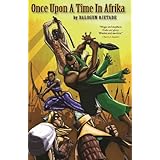
Valjeanne Jeffers: The Newest Nonhumans on the
Block.
My decision to write about shape
shifters and animals—especially werewolves—
was first met with shock...by me. When I was growing up, and until say
the last ten or so years, the cast of animals in science fiction/fantasy was
pretty limited. You had your choice of evil and doomed or tragic and doomed.
Either way somebody, usually your animal, was doomed. Remember the “salt
monster” from the original Star Trek series? It was a beast with no other
desire than to assume the shapes of the crew—like a deadly
chameleon. All the better to suck the salt from your body
until you're dead. That was pretty much the fare of traditional SF films and
books.
In The Talisman by Stephen
King and Peter Straub, a science fiction/horror odyssey, there is a whole host
of supernatural creatures: werewolves, were-goats, lizards... some good, some malevolent, but
all with human intellect—a sharp break from the
traditional werewolf formula. In fact, “Wolf,” a gentle, werewolf is pivotal to
the hero's success. When Wolf runs with the moon, he too becomes a killing
machine, losing his human ability to think and reason. Yet Wolf's humanity,
unlike that of his literary forefathers, conquers this brutal calling.