What to do if your vote is challenged: Practical advice for midterm elections
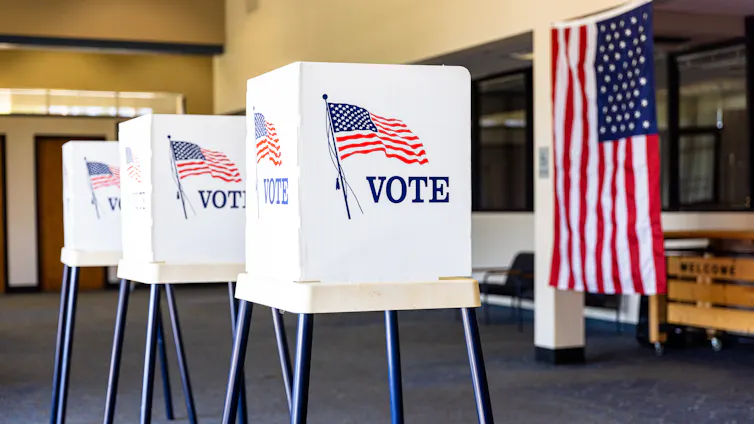
As the 2026 midterm elections enter the final stretch, it’s important to know your rights in case your vote is challenged.
The best way to ensure that your vote is counted is to advocate for yourself. I’m a an attorney and lecturer for the University of Southern California’s undergraduate civil rights advocacy initiative, Agents of Change. Here are several straightforward ways to ensure your vote is counted and two practical remedies for you to consider if your vote remains challenged.
A major part of ensuring that you are able to vote is doing the necessary preparation before you even get to the polling place. Read on to find out how and where to register, where and when you can cast your ballot, and what numbers to call for any information you can’t find online.
Are you registered to vote? Check it out
Before you vote, you need to ensure that you’re registered to vote. You can verify your registration status using this tool. If you can’t use an online tool, then call your local election office or a voter help line like the ones listed in the hotline section below.
If you find you’re not registered, you can use this tool from the National Conference of State Legislatures to find your state’s online registration application. If you need to do this in person, then call your local election office for instructions.
At this point, you may have missed your state’s deadline for voter registration. But it may not be too late to register.
Many states allow same-day registration at the polling site. You can find your state’s same-day voter laws detailed here. Ask the poll worker, at the correct polling location, for a same-day registration form; complete the form and then ask for a “conditional ballot.” A conditional ballot allows election officials to count your vote after verifying your voter eligibility. If you can’t research online, you can call your local election office to find out if you can register on Election Day.

Gather documents to verify your identity
If you live in a state that requires identity verification to vote in person, gather the required documents – which may range from a driver’s license to bank statements with identifying information – before traveling to the correct polling place. You can find your county election office’s contact information here. This webpage includes a table listing each state’s acceptable ID documents and possible exceptions for some people. You may also call your local election office to find out what’s required.
Absentee voters: Locate your state’s identity verification rules here.
Find the correct polling location
You can ensure that you’re headed to the right polling place with this tool. Or call your county election office to find your polling place and its hours of operation; you can look up your county’s election office contact information here.
Once you know your polling place and its hours, you can go there and check in. In most cases, you’ll be handed a ballot, shown where to vote and asked to put your ballot in a machine or a box, and then you can go merrily along your way.
But the moment of check-in is where things might go wrong.

