Reposted from Book View Cafe blog:

 Anne McCaffrey’s death, and all the reminiscences and tributes
offered in her memory, intersected with what-I-am-thankful-for. Many
people, writers and readers both, have described the ways they are
thankful for her work and her personal presence in their lives. They’ve
said it far better than I, but each memory is personal and hence,
unique. Writer Juliette Wade blogged on how McCaffrey’s “Pern” set an example for her own work by blurring the borderlines between fantasy and science fiction.
Anne McCaffrey’s death, and all the reminiscences and tributes
offered in her memory, intersected with what-I-am-thankful-for. Many
people, writers and readers both, have described the ways they are
thankful for her work and her personal presence in their lives. They’ve
said it far better than I, but each memory is personal and hence,
unique. Writer Juliette Wade blogged on how McCaffrey’s “Pern” set an example for her own work by blurring the borderlines between fantasy and science fiction.
One of the things about McCaffrey’s work that left a deep impression on me was not so much the “blurring” of genre lines as how she combined story elements in interesting ways. More than that, when I read everything of McCaffrey’s I could get my hands on, I was astonished at how many genres she wrote in. I saw her telling stories in whatever form they needed to take; I saw that she, like me, was interested in a lot of different things and she was fearless in pursuing them.
 Certainly,
it’s become much more difficult for anyone but a Big Name Writer to
switch around from fantasy to science fiction to something in between to
romance/women’s fiction, and so forth. The bean-counters and marketing
departments hold the purse strings. Many of us have found, to our
sorrow, that such limitations are not lightly flaunted. “Marketing says
they can’t place this,” is too often a death knell.
Certainly,
it’s become much more difficult for anyone but a Big Name Writer to
switch around from fantasy to science fiction to something in between to
romance/women’s fiction, and so forth. The bean-counters and marketing
departments hold the purse strings. Many of us have found, to our
sorrow, that such limitations are not lightly flaunted. “Marketing says
they can’t place this,” is too often a death knell.
 Even
while we wrestle with the practicalities of trying to earn a living by
writing, we should not — we must not — allow such forces to hedge in our
imaginations. About the time I sold my first novel, I remember people
talking about how important that debut was because it was the book you’d
be re-writing for the rest of your career. I was appalled, for much as I
loved the story, the characters, the world of Jaydium, there
were many other stories, characters and worlds screaming at me —
pleading with me, haunting my dreams — to write them. That’s one of the
glories of short fiction, which allows me to play in diverse and alien
sandboxes, with no computers tracking my sales figures to determine if
my next novel will be marketable.
Even
while we wrestle with the practicalities of trying to earn a living by
writing, we should not — we must not — allow such forces to hedge in our
imaginations. About the time I sold my first novel, I remember people
talking about how important that debut was because it was the book you’d
be re-writing for the rest of your career. I was appalled, for much as I
loved the story, the characters, the world of Jaydium, there
were many other stories, characters and worlds screaming at me —
pleading with me, haunting my dreams — to write them. That’s one of the
glories of short fiction, which allows me to play in diverse and alien
sandboxes, with no computers tracking my sales figures to determine if
my next novel will be marketable.
 I don’t expect I will ever get to the point where a publisher will
gladly bring out my next book, regardless of genre. But I never, ever
want to stop dreaming in more than one color!
I don’t expect I will ever get to the point where a publisher will
gladly bring out my next book, regardless of genre. But I never, ever
want to stop dreaming in more than one color!
Thanks, Anne, for this and much more.
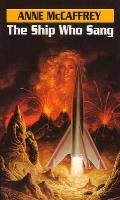
 Anne McCaffrey’s death, and all the reminiscences and tributes
offered in her memory, intersected with what-I-am-thankful-for. Many
people, writers and readers both, have described the ways they are
thankful for her work and her personal presence in their lives. They’ve
said it far better than I, but each memory is personal and hence,
unique. Writer Juliette Wade blogged on how McCaffrey’s “Pern” set an example for her own work by blurring the borderlines between fantasy and science fiction.
Anne McCaffrey’s death, and all the reminiscences and tributes
offered in her memory, intersected with what-I-am-thankful-for. Many
people, writers and readers both, have described the ways they are
thankful for her work and her personal presence in their lives. They’ve
said it far better than I, but each memory is personal and hence,
unique. Writer Juliette Wade blogged on how McCaffrey’s “Pern” set an example for her own work by blurring the borderlines between fantasy and science fiction.One of the things about McCaffrey’s work that left a deep impression on me was not so much the “blurring” of genre lines as how she combined story elements in interesting ways. More than that, when I read everything of McCaffrey’s I could get my hands on, I was astonished at how many genres she wrote in. I saw her telling stories in whatever form they needed to take; I saw that she, like me, was interested in a lot of different things and she was fearless in pursuing them.
 Certainly,
it’s become much more difficult for anyone but a Big Name Writer to
switch around from fantasy to science fiction to something in between to
romance/women’s fiction, and so forth. The bean-counters and marketing
departments hold the purse strings. Many of us have found, to our
sorrow, that such limitations are not lightly flaunted. “Marketing says
they can’t place this,” is too often a death knell.
Certainly,
it’s become much more difficult for anyone but a Big Name Writer to
switch around from fantasy to science fiction to something in between to
romance/women’s fiction, and so forth. The bean-counters and marketing
departments hold the purse strings. Many of us have found, to our
sorrow, that such limitations are not lightly flaunted. “Marketing says
they can’t place this,” is too often a death knell.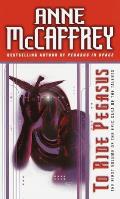 Even
while we wrestle with the practicalities of trying to earn a living by
writing, we should not — we must not — allow such forces to hedge in our
imaginations. About the time I sold my first novel, I remember people
talking about how important that debut was because it was the book you’d
be re-writing for the rest of your career. I was appalled, for much as I
loved the story, the characters, the world of Jaydium, there
were many other stories, characters and worlds screaming at me —
pleading with me, haunting my dreams — to write them. That’s one of the
glories of short fiction, which allows me to play in diverse and alien
sandboxes, with no computers tracking my sales figures to determine if
my next novel will be marketable.
Even
while we wrestle with the practicalities of trying to earn a living by
writing, we should not — we must not — allow such forces to hedge in our
imaginations. About the time I sold my first novel, I remember people
talking about how important that debut was because it was the book you’d
be re-writing for the rest of your career. I was appalled, for much as I
loved the story, the characters, the world of Jaydium, there
were many other stories, characters and worlds screaming at me —
pleading with me, haunting my dreams — to write them. That’s one of the
glories of short fiction, which allows me to play in diverse and alien
sandboxes, with no computers tracking my sales figures to determine if
my next novel will be marketable. I don’t expect I will ever get to the point where a publisher will
gladly bring out my next book, regardless of genre. But I never, ever
want to stop dreaming in more than one color!
I don’t expect I will ever get to the point where a publisher will
gladly bring out my next book, regardless of genre. But I never, ever
want to stop dreaming in more than one color!Thanks, Anne, for this and much more.


