The Mystery at Dunvegan Castle, by T. L. Huchu (Tor)
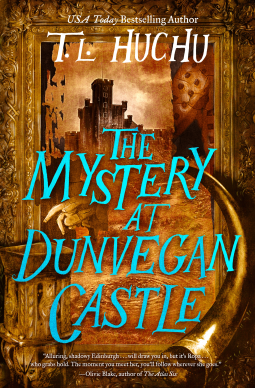
On one level, this is a classic Agatha Christie style murder
mystery, with suspects galore confined in a castle. Political and personal
frictions abound, everyone has an ax to grind—including the resident ghosts—and
the characters and plot twists kept me turning the pages. On another, it’s a
story about difficult choices, about whether Ropa will be being valued or
manipulated as a pawn. One of the things I look for in a compelling
protagonist, particularly a young one, is agency: how much resourcefulness does
this person have, and how will they determine their own fate? Ropa may not have
material wealth or status, but her other qualities, including her unerring
sense of justice, more than compensate.
Middle books present challenges, as exemplified by the
dreaded second book of a trilogy that falls flat. Lots of things happen but the
dramatic shape doesn’t match the dynamic beginning or the climactic end. In
this case, the book is a bridge between Ropa finding her place at the academy
and the choices she makes at the end. We don’t know where those choices will
lead; that’s for the next book. Seen as a bridge with a significant amount of lack
of conclusion, Mystery works well. These shortcomings are less
significant than they would be for a stand-alone book or even the second book
in a series because readers who have been following Ropa’s journey have already
fallen in love with her over the previous two books. I know that I did!
Not a stand-alone, but readers of the series will want to gobble up the next volume!

No comments:
Post a Comment